

Cannabis for Athletic Recovery: What Science Says About CBD and THC
Explore the latest research on how CBD and THC may support athletic recovery, reduce inflammation, and improve sleep for athletes and fitness enthusiasts.

Professor High
The Athlete’s New Recovery Tool?
Picture this: You’ve just crushed a grueling workout—legs burning, muscles screaming, and that familiar ache settling into your body. You know what comes next: the ice packs, the foam rolling, maybe some ibuprofen, and hoping you can walk normally tomorrow. But what if there was another tool in your recovery arsenal that’s been hiding in plain sight?
Cannabis is stepping out of the shadows and into the gym bag. From ultramarathoners to weekend warriors, athletes are increasingly curious about whether cannabinoids like CBD and THC might help them bounce back faster, sleep deeper, and manage the inevitable discomfort that comes with pushing physical limits.
But here’s the thing—curiosity isn’t the same as evidence. So let’s dig into what the science actually says about cannabis and athletic recovery, separate the hype from the research, and help you make informed decisions about whether cannabinoids might have a place in your wellness routine.

Understanding the Recovery Process
Before we dive into cannabinoids, let’s talk about what actually happens in your body after intense exercise. Understanding this process helps explain why cannabis compounds have caught researchers’ attention.
The Inflammation Response
When you exercise intensely, you create microscopic damage to muscle fibers. This triggers an inflammatory response—your body’s natural healing mechanism. White blood cells rush to the damaged tissue, releasing chemicals that cause swelling, heat, and that familiar soreness we call DOMS (delayed onset muscle soreness).
Here’s the nuance: some inflammation is good. It’s part of how your body adapts and grows stronger. But excessive or prolonged inflammation can delay recovery, increase injury risk, and leave you feeling run down.
The Sleep-Recovery Connection
Sleep is when the magic happens. During deep sleep stages, your body releases human growth hormone, repairs tissue, and consolidates the physical adaptations from your training. Poor sleep doesn’t just make you tired—it actively impairs recovery and can increase injury risk.
The Pain Problem
Athletes often reach for NSAIDs (non-steroidal anti-inflammatory drugs) like ibuprofen to manage post-workout discomfort. While effective, chronic NSAID use comes with concerns about gut health, kidney function, and potentially even impaired muscle adaptation. This has many athletes looking for alternatives.
Enter the Endocannabinoid System
Your body has its own cannabis-like system called the endocannabinoid system (ECS). Discovered in the 1990s, this network of receptors and signaling molecules plays a crucial role in regulating inflammation, pain perception, sleep, and stress response—basically, everything athletes care about for recovery.
The ECS includes:
- CB1 receptors: Primarily found in the central nervous system
- CB2 receptors: Concentrated in immune cells and peripheral tissues
- Endocannabinoids: Your body’s own cannabis-like compounds (anandamide and 2-AG)
When you consume cannabis, compounds like THC and CBD interact with this system. THC binds directly to CB1 receptors (which is why it produces psychoactive effects), while CBD works more indirectly, influencing how your body uses its own endocannabinoids.
Key Insight: The ECS is involved in exercise-induced euphoria (the “runner’s high”), pain modulation, and recovery processes—which is why researchers are investigating whether plant cannabinoids might support these functions.

What the Research Says About CBD
Cannabidiol (CBD) has become the darling of the wellness world, and athletes have embraced it enthusiastically. The World Anti-Doping Agency (WADA) removed CBD from its prohibited list in 2018, opening the door for competitive athletes to explore its potential benefits. But what does the evidence actually show?
CBD and Inflammation
Several preclinical studies (meaning lab and animal research) suggest CBD has anti-inflammatory properties. It appears to work through multiple pathways:
- Reducing pro-inflammatory cytokines
- Modulating immune cell activity
- Interacting with adenosine receptors
A 2020 review in Sports Medicine noted that while these mechanisms are promising, human clinical trials specifically examining CBD for exercise-induced inflammation are still limited. Most existing studies involve patients with inflammatory conditions rather than healthy athletes.
CBD and Pain Perception
The research on CBD and pain is more developed, though still evolving. A 2018 review in Frontiers in Pharmacology found evidence supporting CBD’s analgesic properties, particularly for chronic pain conditions. However, the authors noted that more research is needed to understand optimal dosing and mechanisms.
For athletes, the most relevant finding may be CBD’s potential to reduce hyperalgesia (increased sensitivity to pain)—which could help manage the heightened discomfort that follows intense training.
CBD and Sleep
This is where the evidence gets interesting for athletes. A large retrospective case series published in The Permanente Journal found that 66.7% of patients reported improved sleep scores within the first month of CBD use. Sleep improvements may be one of the most practical benefits CBD offers for recovery.
Research suggests CBD may:
- Reduce anxiety that interferes with sleep
- Increase overall sleep time in some individuals
- Potentially improve sleep quality (though evidence is mixed)
The Dosing Question
One major challenge with CBD research is the wide range of doses studied—from 15mg to 1,500mg daily. Most studies showing benefits used doses significantly higher than what’s found in typical consumer products. A 2020 study in Sports Medicine noted that effective doses for inflammation may be much higher than what most people take.
| Typical Consumer Dose | Research Doses Showing Effects |
|---|---|
| 10-50mg daily | 150-600mg daily for anxiety |
| 300-600mg for sleep effects | |
| 400mg+ for anti-inflammatory effects |
What About THC?
THC is more complicated for athletes—it remains prohibited by WADA during competition and can impair performance. However, some athletes use THC products during recovery periods, and the research on its potential benefits is worth examining.
THC and Pain Management
THC’s pain-relieving properties are better established than CBD’s, primarily because it directly activates CB1 receptors involved in pain processing. A 2015 systematic review found moderate-quality evidence supporting cannabinoids (including THC) for chronic pain management.
For athletes, THC may help with:
- Reducing acute post-exercise discomfort
- Managing chronic injuries or overuse conditions
- Decreasing reliance on other pain medications
THC and Sleep
THC has well-documented sedative effects, and many people report using it to fall asleep faster. However, the research picture is nuanced:
Potential benefits:
- Reduced time to fall asleep
- Increased total sleep time (in some studies)
- Decreased nighttime awakenings
Potential concerns:
- May reduce REM sleep (important for cognitive recovery)
- Tolerance develops with regular use
- Withdrawal can cause rebound insomnia

The THC Caveat
It’s important to note that THC can impair coordination, reaction time, and judgment. Using THC before or during physical activity is generally not recommended and could increase injury risk. Most athletes who incorporate THC do so during rest days or in the evening after training is complete.
The Entourage Effect: Better Together?
You may have heard about the entourage effect—the theory that cannabis compounds work better together than in isolation. This concept is particularly relevant for athletes considering full-spectrum products versus CBD isolate.
Research suggests that terpenes (the aromatic compounds in cannabis) and minor cannabinoids may enhance or modify the effects of CBD and THC. For example:
- Myrcene: May have sedative and muscle-relaxant properties
- Beta-caryophyllene: Interacts with CB2 receptors and may have anti-inflammatory effects
- Linalool: Associated with calming and potentially analgesic effects
A 2019 study in Frontiers in Plant Science found that full-spectrum cannabis extracts produced more significant anti-inflammatory effects than pure CBD in some models. However, this research is still preliminary, and more human studies are needed.
Practical Considerations for Athletes
If you’re considering incorporating cannabinoids into your recovery routine, here’s what the current evidence and expert guidance suggest:
Start Low and Go Slow
This isn’t just a cliché—it’s essential advice. Individual responses to cannabinoids vary dramatically based on genetics, body composition, and the specific product. Begin with low doses and gradually increase while monitoring effects.
Timing Matters
- CBD: Can be used throughout the day; some athletes prefer it post-workout or before bed
- THC: Best reserved for evening use on rest days or after all physical activity is complete
Product Quality Is Crucial
The CBD market remains poorly regulated. Look for products that provide:
- Third-party testing certificates (COAs)
- Clear cannabinoid content labeling
- Information about sourcing and extraction methods
Consider Your Sport’s Rules
While WADA permits CBD, THC remains prohibited in competition. Many sports organizations have their own policies. If you compete, understand the rules and testing thresholds that apply to you.
Method of Consumption
| Method | Onset | Duration | Considerations |
|---|---|---|---|
| Sublingual oils | 15-45 min | 4-6 hours | Consistent dosing, moderate onset |
| Edibles | 30-90 min | 6-8 hours | Long-lasting but harder to dose |
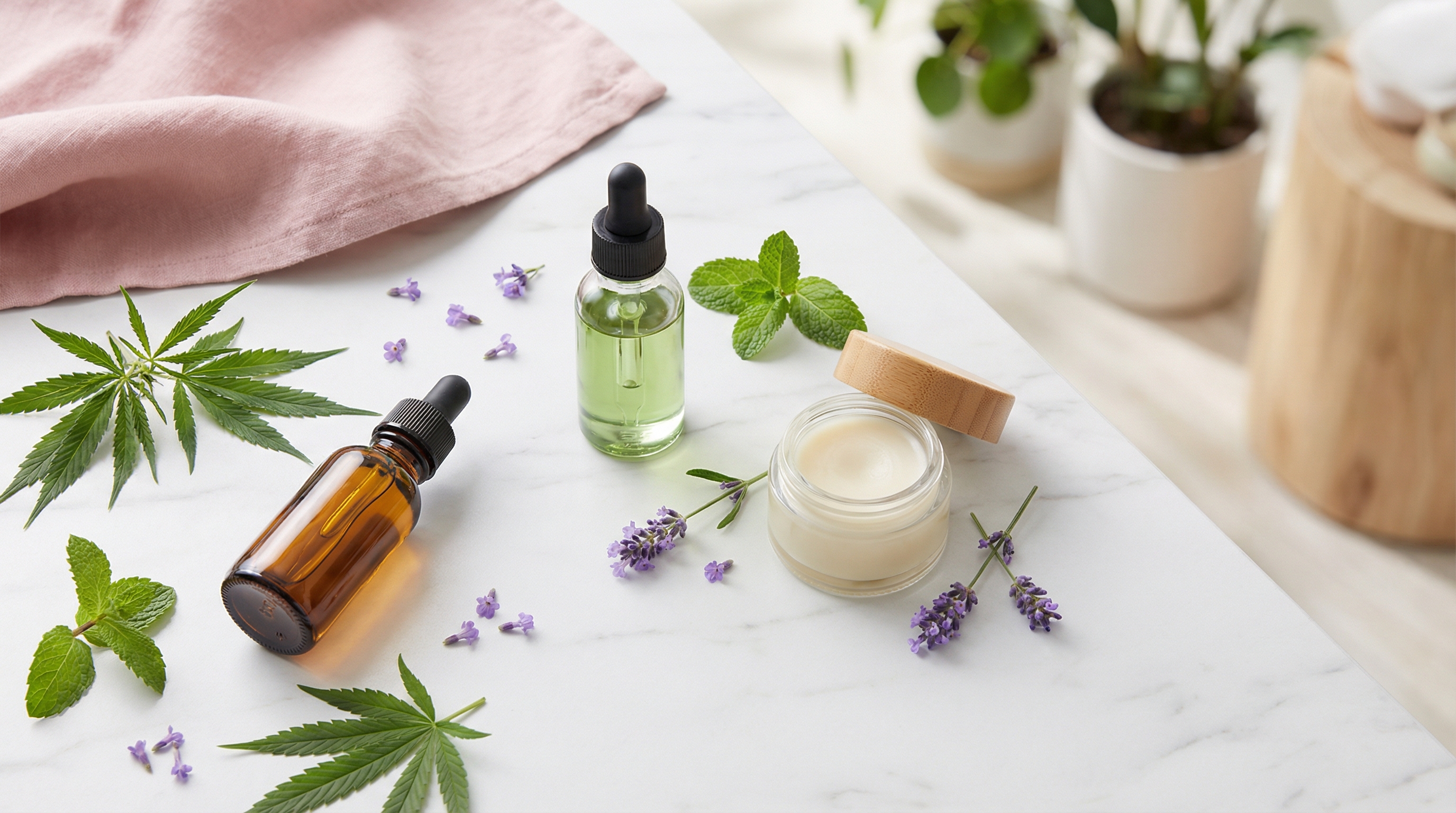
| Topicals | 15-30 min locally | 2-4 hours | May help with localized discomfort |
| Inhalation | 1-5 min | 2-3 hours | Fast onset but lung health concerns |
What Athletes Are Saying
While anecdotal evidence isn’t scientific proof, the experiences of athletes who’ve integrated cannabinoids into their routines provide real-world context.
Professional athletes like former NFL players, MMA fighters, and endurance athletes have publicly discussed using CBD for recovery. Common reported benefits include:
- Improved sleep quality
- Reduced reliance on NSAIDs
- Better management of chronic injuries
- Enhanced relaxation and stress reduction
However, it’s worth noting that placebo effects are powerful, and individual experiences don’t prove efficacy. The growing body of research will eventually give us clearer answers.
The Bottom Line: Promise and Uncertainty
Here’s the honest truth about cannabis and athletic recovery: the science is promising but incomplete. We have good mechanistic reasons to believe cannabinoids could support recovery—they interact with systems directly involved in inflammation, pain, and sleep. Preclinical research and some human studies show encouraging results.
But we’re still waiting for large, well-designed clinical trials specifically examining athletic populations. The optimal doses, timing, and formulations for recovery remain unclear. And individual responses vary significantly.
What We Can Say With Reasonable Confidence:
- CBD may help improve sleep quality for some individuals
- Cannabinoids interact with systems involved in inflammation and pain
- CBD is generally well-tolerated with a good safety profile
- Full-spectrum products may offer advantages over isolates for some purposes
What Remains Uncertain:
- Optimal dosing for athletic recovery
- Whether CBD reduces exercise-induced inflammation in humans
- Long-term effects of regular cannabinoid use on athletic performance
- How cannabinoids compare to other recovery modalities
Moving Forward Mindfully
If you’re curious about incorporating cannabinoids into your recovery routine, approach it as an experiment with yourself as the subject. Keep notes on what you try, how you feel, and what seems to help. Be patient—effects may take time to notice.
Most importantly, remember that cannabinoids aren’t a replacement for the fundamentals: adequate sleep, proper nutrition, appropriate training loads, and stress management. They’re potentially one tool among many in the recovery toolkit.
The conversation around cannabis and athletics is evolving rapidly. As more research emerges and stigma continues to fade, we’ll develop a clearer picture of how these ancient plant compounds might support modern athletic pursuits.
Until then, stay curious, stay informed, and recover well.
Disclaimer: This article is for educational purposes only and is not medical advice. Consult with a healthcare provider before adding any supplement to your routine, especially if you have underlying health conditions or take medications. Athletes should verify compliance with their sport’s anti-doping regulations.