

Caryophyllene: The Only Terpene That Acts Like a Cannabinoid
Beta-caryophyllene is the only terpene that binds to cannabinoid receptors. Learn the science behind this dietary cannabinoid.

Professor High
If you’ve ever heard that chewing black peppercorns can calm a too-intense high, you might have dismissed it as stoner folklore. But there’s real science behind it—and it all comes down to a remarkable terpene called beta-caryophyllene.
Unlike every other terpene in cannabis, caryophyllene does something extraordinary: it directly activates your body’s cannabinoid receptors. This makes it the only terpene that functions like a cannabinoid, earning it the scientific designation of “dietary cannabinoid” in peer-reviewed research.
Let’s explore why this spicy, peppery compound is revolutionizing our understanding of how terpenes work—and what it means for your cannabis experience.
What Is Beta-Caryophyllene?
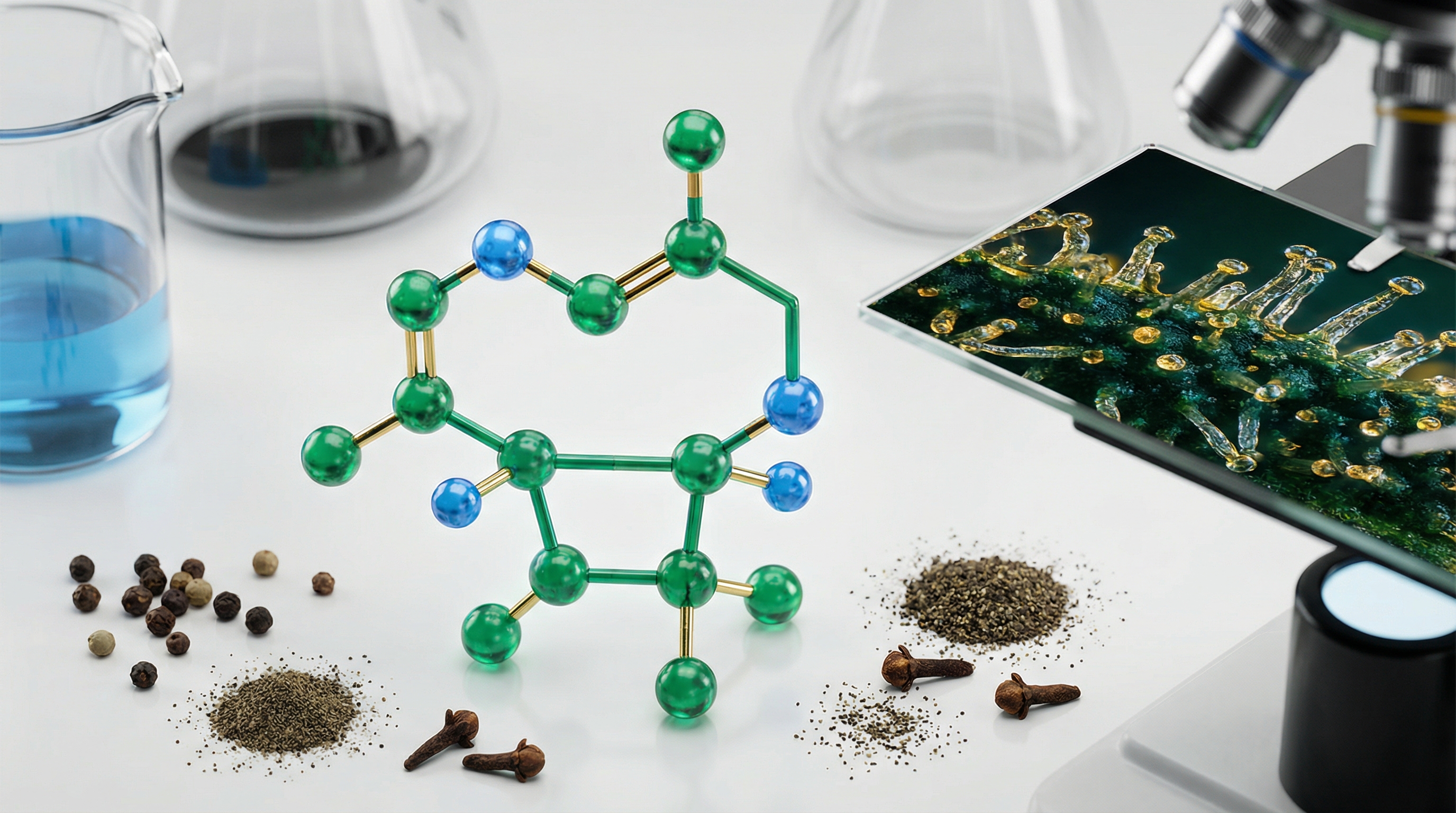
Beta-caryophyllene (also written as β-caryophyllene or BCP) is a sesquiterpene. That means it’s a larger terpene molecule than simple ones like limonene or pinene. Its structure includes a rare ring shape called a cyclobutane. This ring is what gives caryophyllene its special powers.
Where You’ll Find It
Caryophyllene is everywhere in your kitchen:
| Source | Caryophyllene Content | Flavor Profile |
|---|---|---|
| Black Pepper | Up to 35% of essential oil | Sharp, spicy bite |
| Cloves | 10-20% | Warm, numbing |
| Cinnamon | 5-15% | Sweet, woody |
| Oregano | 5-10% | Earthy, herbaceous |
| Basil | 3-8% | Peppery, fresh |
| Rosemary | 3-7% | Piney, aromatic |
| Hops | 3-5% | Floral, bitter |
| Cannabis | 5-30%+ | Varies by strain |
That distinctive “bite” when you crack fresh black pepper? That’s caryophyllene. The warming sensation from cloves? Also caryophyllene. This terpene is responsible for the spicy, woody, slightly fuel-like notes in many cannabis strains.
The Groundbreaking Discovery: A Dietary Cannabinoid
In 2008, researchers at ETH Zurich made a game-changing discovery. They published it in a top science journal (PNAS).
Their finding: beta-caryophyllene binds to and activates the CB2 cannabinoid receptor.
This had never been seen before. Scientists knew THC and CBD interact with the endocannabinoid system. But no terpene had ever been shown to directly activate cannabinoid receptors—until caryophyllene.
What Makes This So Significant?
Your endocannabinoid system has two main receptor types:
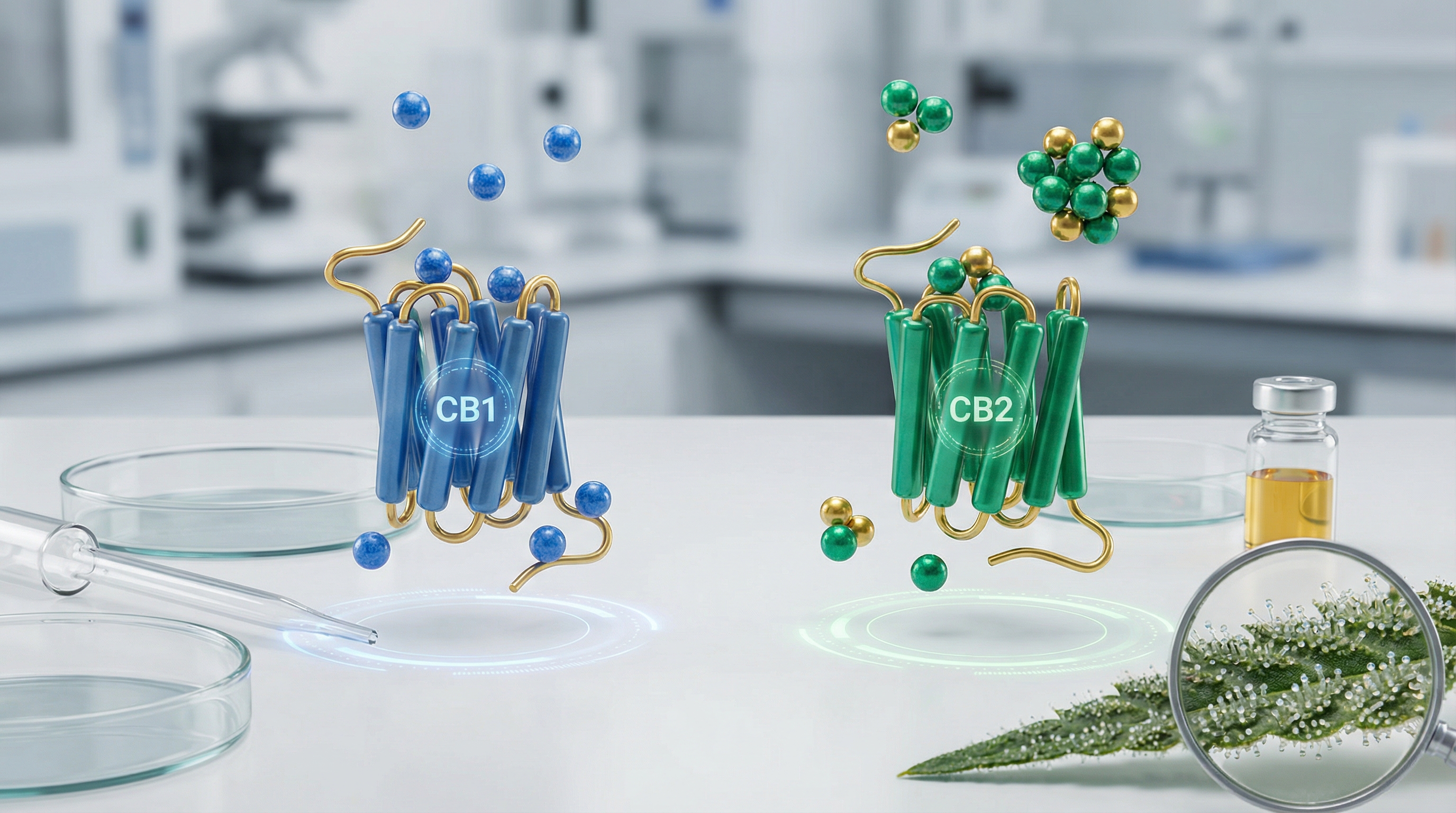
- CB1 receptors: Found primarily in the brain and central nervous system. When THC activates these, you get high.
- CB2 receptors: Found mainly in immune cells, the peripheral nervous system, and throughout the body. Activation reduces inflammation and pain—without intoxication.
Caryophyllene only activates CB2 receptors. It doesn’t touch CB1 at all. This means you get the benefits—less inflammation, pain relief, better mood—without getting high.
The Numbers Behind the Discovery
The study found that caryophyllene binds to CB2 receptors with strong affinity. Strong enough to work at levels you can get from food.
Here’s the proof: In lab tests on human blood cells, caryophyllene blocked inflammation signals (TNF-α and IL-1β). These are the same signals that drive chronic pain. When scientists tested mice without CB2 receptors, the anti-inflammatory effects vanished. This proves it works through CB2 activation.
The Science-Backed Benefits of Caryophyllene
Since that 2008 discovery, over 100 studies have investigated caryophyllene’s therapeutic potential. Here’s what the research shows:
Pain Relief and Anti-Inflammatory Effects
This is where caryophyllene truly shines. A 2025 study published in the International Journal of Molecular Sciences found that caryophyllene alleviated pain and inflammation in diabetic neuropathy through CB2 receptor activation—a condition notoriously difficult to treat.
Multiple studies have demonstrated caryophyllene’s ability to:
- Reduce inflammatory pain responses in animal models
- Alleviate neuropathic (nerve) pain
- Decrease markers of chronic inflammation
- Trigger the release of beta-endorphins—your body’s natural painkillers—from skin cells
A 2023 human clinical trial on knee osteoarthritis found that a combination of hemp seed oil with caryophyllene, myrcene, and ginger extract significantly improved symptoms compared to hemp seed oil alone.
Anxiety and Stress Reduction
Those CB2 receptors aren’t just in your immune system. They’re also in parts of your brain that handle emotions. Research suggests caryophyllene may produce anti-anxiety effects through this pathway.
A 2014 study published in Physiology & Behavior showed that caryophyllene:
- Reduced anxiety-like behaviors in multiple standardized tests
- Decreased compulsive behaviors (marble-burying test)
- Showed antidepressant-like effects
- Did all this without affecting motor activity (meaning no sedation)
In animal studies, doses of 25-50 mg/kg reduced anxiety as much as diazepam (Valium). But it works through a completely different pathway.
Neuroprotection
Scientists reviewed 41 studies on caryophyllene and the brain. The conclusion: this terpene may protect your neurons. Research shows it can:
- Protect dopaminergic neurons in Parkinson’s disease models
- Reduce neuroinflammation and oxidative stress
- Decrease activation of microglia (brain immune cells) that contribute to neurodegeneration
- Potentially slow cognitive decline associated with aging

The Black Pepper Trick: Why It Actually Works
Now we can finally explain that piece of cannabis folklore. When someone suggests chewing black peppercorns to calm an overwhelming THC high, they’re unknowingly recommending a dose of CB2 agonist therapy.
Here’s the proposed mechanism:
- THC overstimulates CB1 receptors, causing anxiety, paranoia, and racing thoughts
- Caryophyllene from black pepper activates CB2 receptors
- CB2 activation has been shown to modulate CB1 signaling and reduce anxiety
- The terpenes in black pepper (caryophyllene plus pinene) may also provide direct calming effects
While this hasn’t been tested in controlled human trials specifically for THC-induced anxiety, the mechanism is scientifically plausible—and countless anecdotal reports support it. Neil Young famously shared this tip in a 2014 interview, and now you know the science behind it.
Pro tip: If you’re prone to THC anxiety, keep whole black peppercorns handy. Chew 2-3 and breathe deeply. The combination of caryophyllene, the sensory distraction, and controlled breathing can help take the edge off within minutes.
Cannabis Strains High in Caryophyllene
If you want to maximize your caryophyllene intake, look for strains with that signature spicy, peppery, or fuel-like aroma. Caryophyllene-dominant strains often fall into the Relief High Family—our classification for strains that prioritize physical comfort and anti-inflammatory effects.
Top Caryophyllene-Rich Strains
Here are strains known for elevated caryophyllene content:
- GSC (Girl Scout Cookies) - Sweet with peppery undertones
- Original Glue (GG4) - Fuel-forward with diesel notes
- Bubba Kush - Earthy with hash-like spice
- Chemdawg - Diesel and pepper dominance
- Death Star - Skunky with spicy kick
- Sour Diesel - Fuel-forward terpene profile
- Candyland - Sweet spice complexity
- Gelato - Dessert meets pepper
- Purple Punch - Grape with spicy finish
- Wedding Cake - Rich, peppery sweetness
How to Identify High-Caryophyllene Strains
When shopping, look for these indicators:
- Lab results: Look for β-caryophyllene listed in the terpene profile, ideally above 0.5%
- Aroma: Spicy, peppery, woody, or fuel-like notes
- Strain lineage: Cookies and Diesel family genetics often run high in caryophyllene
- Effect descriptions: Strains noted for “body effects” or “physical relief” often contain elevated caryophyllene
The Relief High Family Connection
At High IQ, we classify strains into High Families based on their dominant terpene profiles and the effects they produce. Caryophyllene is the signature terpene of the Relief High Family—strains optimized for physical comfort and anti-inflammatory benefits.
Relief Family strains typically feature:
- High caryophyllene (often the dominant terpene)
- Supporting terpenes like myrcene and humulene
- Body-focused effects over cerebral stimulation
- Potential benefits for chronic pain, inflammation, and muscle tension
Understanding which High Family matches your needs is more predictive than chasing THC percentages or relying on outdated indica/sativa labels. Learn more about the High Families to find your ideal profile.
FAQs About Caryophyllene
Is caryophyllene safe to consume?
Yes. Caryophyllene has FDA GRAS (Generally Recognized As Safe) status as a food additive. You’ve been consuming it your entire life in black pepper, cinnamon, and other common foods. Research shows no significant adverse effects even at doses used in studies.
Can caryophyllene get you high?
No. Caryophyllene only activates CB2 receptors, not CB1 receptors. CB1 activation is what produces the psychoactive “high” from THC. Caryophyllene provides potential therapeutic benefits without any intoxicating effects.
How much caryophyllene do I need for effects?
Research suggests therapeutic effects may occur with dietary-achievable amounts. However, optimal dosing in humans hasn’t been established. For cannabis, strains with 0.5%+ caryophyllene are considered high in this terpene.
Does caryophyllene help with the entourage effect?
Absolutely. As a CB2 agonist, caryophyllene adds a unique dimension to the entourage effect. While THC activates CB1 and CBD modulates multiple receptors, caryophyllene brings direct CB2 activation to the mix—potentially enhancing anti-inflammatory and pain-relieving effects.
What’s the difference between beta-caryophyllene and caryophyllene oxide?
Beta-caryophyllene is the parent compound with CB2 activity. Caryophyllene oxide is an oxidized form (what happens when caryophyllene is exposed to air over time) that drug-sniffing dogs are trained to detect. Oxide has different properties and doesn’t bind CB2 receptors as effectively.
Can I take caryophyllene supplements?
Caryophyllene supplements exist, including Rephyll (a liposomal formulation studied for muscle soreness). However, whole-plant cannabis or dietary sources provide caryophyllene alongside other beneficial compounds. Always consult a healthcare provider before starting any supplement regimen.
Key Takeaways
- Caryophyllene is unique: It’s the only terpene that binds directly to cannabinoid receptors (CB2)
- No high, real benefits: CB2 activation provides anti-inflammatory and pain relief without intoxication
- The black pepper trick works: Caryophyllene in pepper may help calm THC-induced anxiety
- Found in common foods: Black pepper, cloves, cinnamon, oregano, and cannabis all contain it
- Relief High Family: Look for spicy, peppery strains for maximum caryophyllene content
- Strong research backing: 100+ studies support its anti-inflammatory, pain-relieving, and neuroprotective effects
The Bottom Line
Beta-caryophyllene isn’t just another terpene—it’s a dietary cannabinoid. It bridges the gap between everyday foods and your endocannabinoid system. Its unique ability to activate CB2 receptors opens up benefits that other terpenes can’t provide.
Looking for strains that help with physical relief? Curious about the black pepper trick? Want to know why that peppery strain feels different? Caryophyllene is the answer.
Next time you crack fresh pepper over dinner or notice that spicy kick in your favorite strain, you’ll know what makes it special: you’re consuming the only terpene that may interact with your cannabinoid system.
Want to track how caryophyllene-rich strains affect you personally? The High IQ app helps you log your experiences and discover patterns in how different terpene profiles work for your unique body chemistry.
References
Gertsch J, et al. (2008). “Beta-caryophyllene is a dietary cannabinoid.” Proceedings of the National Academy of Sciences, 105(26):9099-9104. DOI: 10.1073/pnas.0803601105
Scandiffio R, et al. (2020). “A focused review on CB2 receptor-selective pharmacological properties and therapeutic potential of β-caryophyllene, a dietary cannabinoid.” Biomedicine & Pharmacotherapy, 140:111639.
Aly E, et al. (2024). “Beta-Caryophyllene, a Cannabinoid Receptor Type 2 Selective Agonist, in Emotional and Cognitive Disorders.” International Journal of Molecular Sciences, 25(6):3183.
Klauke AL, et al. (2014). “The cannabinoid CB₂ receptor-selective phytocannabinoid beta-caryophyllene exerts analgesic effects in mouse models of inflammatory and neuropathic pain.” European Neuropsychopharmacology, 24(4):608-620.
Bahi A, et al. (2014). “β-Caryophyllene, a CB2 receptor agonist produces multiple behavioral changes relevant to anxiety and depression in mice.” Physiology & Behavior, 135:119-124.
Ojha S, et al. (2016). “β-Caryophyllene, a phytocannabinoid attenuates oxidative stress, neuroinflammation, glial activation, and salvages dopaminergic neurons in a rat model of Parkinson disease.” Molecular and Cellular Biochemistry, 418(1-2):59-70.
Katsuyama S, et al. (2013). “Involvement of peripheral cannabinoid and opioid receptors in β-caryophyllene-induced antinociception.” European Journal of Pain, 17(5):664-675.
Hashiesh HM, et al. (2021). “A systematic review on the neuroprotective perspectives of beta-caryophyllene.” Phytotherapy Research, 35(10):5582-5602.
Fidyt K, et al. (2016). “β-caryophyllene and β-caryophyllene oxide—natural compounds of anticancer and analgesic properties.” Cancer Medicine, 5(10):3007-3017.
Yarim GF, et al. (2025). “Intraplantar β-Caryophyllene Alleviates Pain and Inflammation in STZ-Induced Diabetic Peripheral Neuropathy via CB2 Receptor Activation.” International Journal of Molecular Sciences, 26(9):4430.