

THC Percentage Is a Terrible Way to Choose Cannabis
High THC doesn't mean a better high. Learn why terpenes, cannabinoids, and the entourage effect matter more than the number on the label.

Professor High
The Most Expensive Mistake in the Dispensary
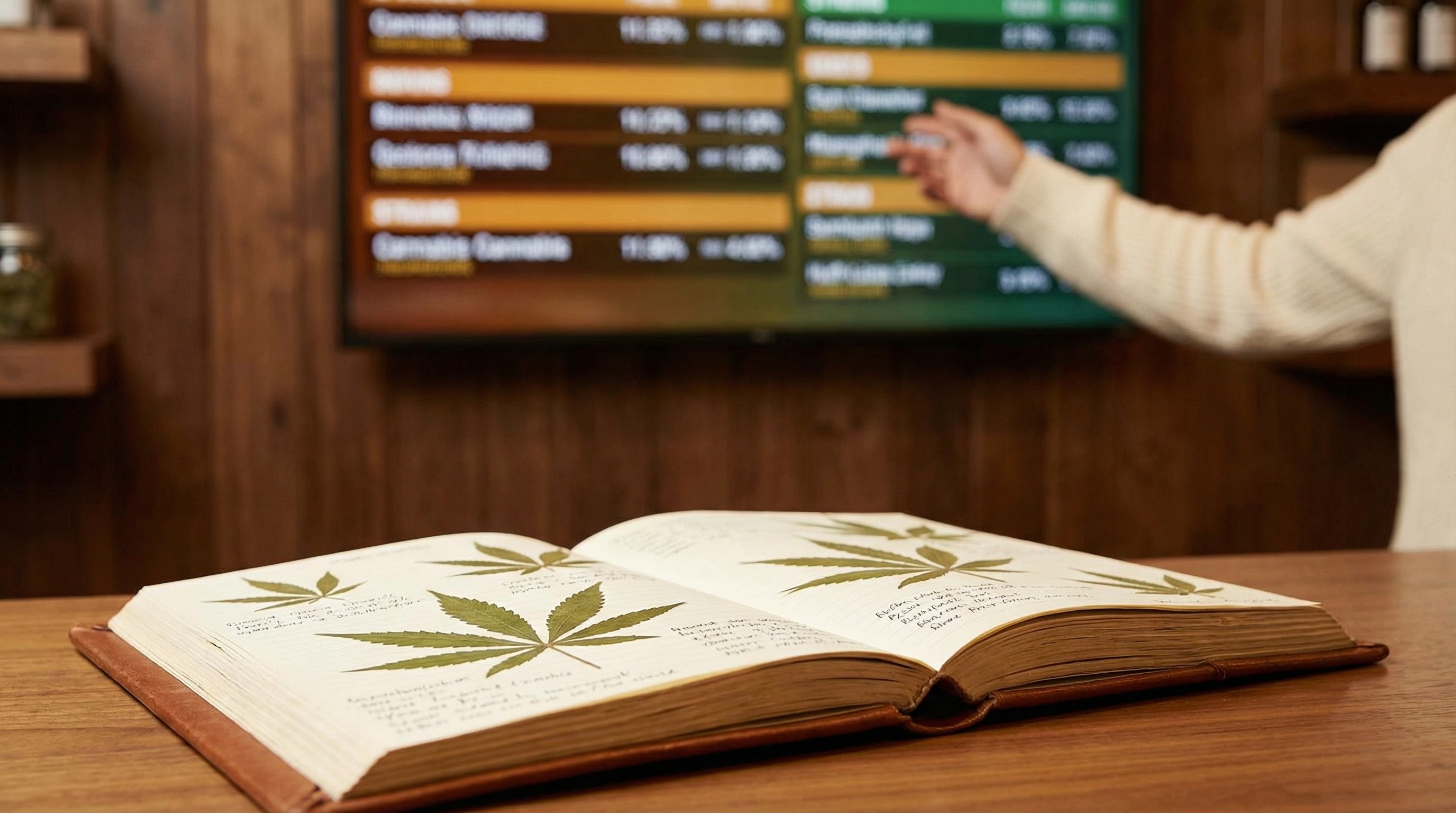
Here’s a scene that plays out thousands of times a day in dispensaries across the country: a customer walks up to the counter, scans the menu, and asks for “whatever has the highest THC.” They pay a premium for a flower testing at 34% THC, take it home, smoke it—and feel… underwhelmed. Meanwhile, their friend grabs a 19% THC strain from the bargain shelf and has the most euphoric, creative, deeply satisfying experience of the month.
What happened? The THC-chaser fell for the biggest myth in modern cannabis: that THC percentage is a reliable indicator of how high you’ll get or how good the experience will be.
This belief is so widespread that it has warped the entire legal cannabis market. Growers breed for sky-high THC numbers. Dispensaries sort menus by potency. Consumers pay more for higher percentages. And a growing body of research says this entire system is built on a misunderstanding.
In this article, we’re going to dig into why THC percentage is such a poor compass for choosing cannabis. We’ll explore the science of how cannabinoids and terpenes actually work together, look at the studies that have directly tested whether higher THC means a stronger high, and—most importantly—give you a much better framework for finding cannabis that delivers the experience you actually want.
By the end, you’ll never shop by THC percentage alone again. And your highs will be better for it.
The Science Explained
How THC Actually Works in Your Body
To understand why the number on the label doesn’t tell the whole story, you need to understand a little about your endocannabinoid system (ECS)—the biological network that THC interacts with.
Think of your ECS like a vast switchboard with thousands of tiny receptors, primarily CB1 receptors in the brain and CB2 receptors throughout the body. When THC enters your system, it binds to these receptors and flips switches that alter mood, perception, appetite, pain signaling, and more.
Here’s the critical part: those receptors have a saturation point. Imagine trying to fill a parking lot. Once every space is taken, it doesn’t matter how many more cars you send—they have nowhere to go. Similarly, once your CB1 receptors are occupied by THC, additional THC molecules provide diminishing returns [Colizzi & Bhattacharyya, 2020].
This means the difference between 20% THC and 30% THC flower may be far less significant than you’d expect. Your receptors aren’t scaling linearly with the THC content. And that’s before we even get to the biggest confounding factor of all.
The Entourage Effect: Why the Whole Plant Matters
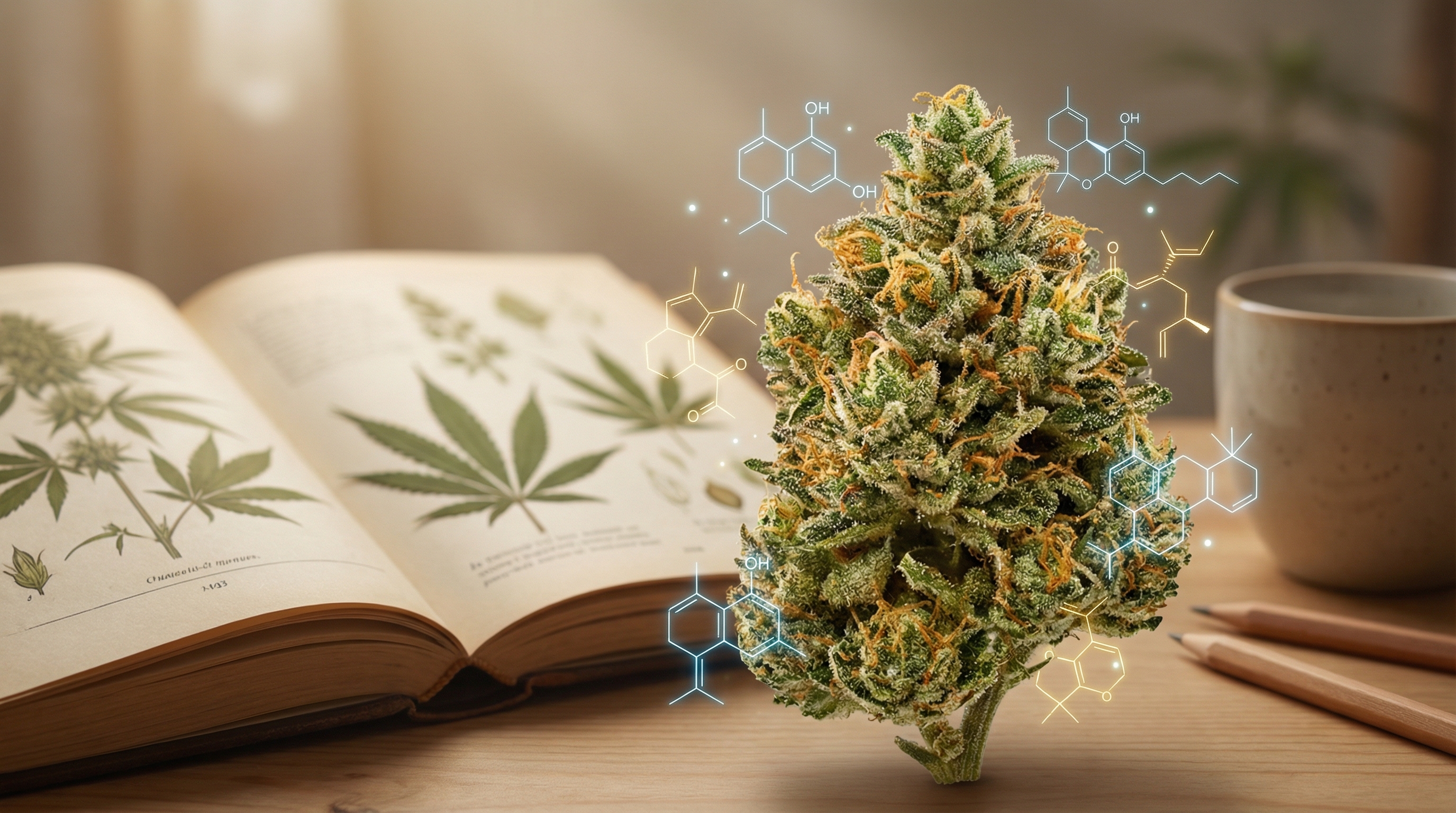
Cannabis isn’t just THC. A single flower contains hundreds of active compounds: other cannabinoids like CBD, CBG, and CBN; flavonoids; and perhaps most importantly, terpenes—the aromatic molecules that give each strain its distinctive smell and flavor.
The entourage effect is the theory that these compounds work synergistically, modifying and enhancing each other’s effects in ways that no single molecule can replicate on its own. Dr. Ethan Russo, one of the most cited cannabis researchers in the world, published a landmark paper arguing that terpenes and cannabinoids interact to produce qualitatively different experiences [Russo, 2011].
Here’s an analogy: THC percentage is like measuring a song by its volume alone. Sure, volume matters—but the actual experience of music depends on melody, harmony, rhythm, instrumentation, and how they all come together. A song played at maximum volume through a single speaker isn’t necessarily better than a well-mixed track at moderate volume through a great sound system.
In the same way, a 35% THC strain with a thin terpene profile may produce a flat, one-dimensional high. A 20% THC strain rich in myrcene, limonene, and caryophyllene might deliver a complex, deeply satisfying experience that lasts longer and feels more nuanced.
What the Research Actually Shows
The most damning evidence against THC-percentage shopping comes from a 2020 study by researchers at the University of Colorado Boulder. Cinnamon Bidwell and colleagues measured the actual intoxication levels of regular cannabis users after consuming flower with either ~16% or ~24% THC. The result? Both groups showed nearly identical levels of intoxication, as measured by cognitive and psychomotor tests and self-reported highness [Bidwell et al., 2020].
Read that again. People who consumed flower with 50% more THC did not get meaningfully more high.
A 2024 follow-up study from the same research group examined cannabis concentrates, comparing products with ~70% THC to those with ~90% THC. Once again, no significant difference in intoxication was observed between the two groups [Bidwell et al., 2024]. The researchers suggested that cannabinoid receptor saturation likely explains the plateau effect.
Meanwhile, other research has begun to illuminate the role of terpenes. A study by LaVigne and colleagues found that certain terpenes—including linalool and alpha-humulene—appeared to enhance cannabinoid activity at CB1 receptors in animal models, suggesting terpenes may genuinely modulate the cannabis experience at a biological level [LaVigne et al., 2021].
And there’s another problem with THC numbers that’s even more fundamental: the testing itself may be unreliable. Investigative reporting and state audits have revealed widespread inconsistencies in cannabis lab testing. A 2022 analysis found that the same sample sent to different labs could return THC results varying by as much as 15 percentage points [Jikomes & Zoorob, 2018]. Some labs have been accused of “lab shopping”—where cultivators send samples to labs known for returning inflated numbers. When the number on the label might not even be accurate, building your entire purchasing decision around it becomes even more absurd.
The Testing Problem: When the Numbers Lie
It’s worth pausing on the testing issue because it compounds everything we’ve discussed. In the legal cannabis market, THC percentage has become a marketing tool as much as a scientific measurement.
Here’s how the incentive structure works: higher THC numbers command higher prices. Cultivators know this. Some labs know this. The result is an environment where accuracy takes a back seat to marketability. A 2020 report from cannabis data firm Confident Cannabis found that average reported THC levels had been climbing steadily year over year—not necessarily because cannabis was getting stronger, but because the market rewarded higher numbers [Jikomes & Zoorob, 2018].
A 2025 Colorado study drove the point home even further: researchers found that 44% of cannabis flower products had inaccurate THC labels, with many overstating potency to command higher shelf prices. Several states have begun cracking down. Michigan, for example, flagged labs that consistently returned higher results than their peers. But the fundamental problem remains: the single number printed on your cannabis label is a crude, potentially inaccurate snapshot of a deeply complex plant.
Even when testing is perfectly accurate, THC percentage only tells you about one compound in a flower that contains dozens of pharmacologically active molecules. It’s like choosing wine based solely on alcohol percentage. A 15% ABV wine isn’t automatically better than a 12% one—and any sommelier would laugh at the suggestion.
Practical Implications: A Better Way to Choose
So if THC percentage isn’t the answer, what is? This is where things get exciting—because there’s a much richer, more reliable framework for finding cannabis that matches the experience you want.
Follow Your Nose (Literally)
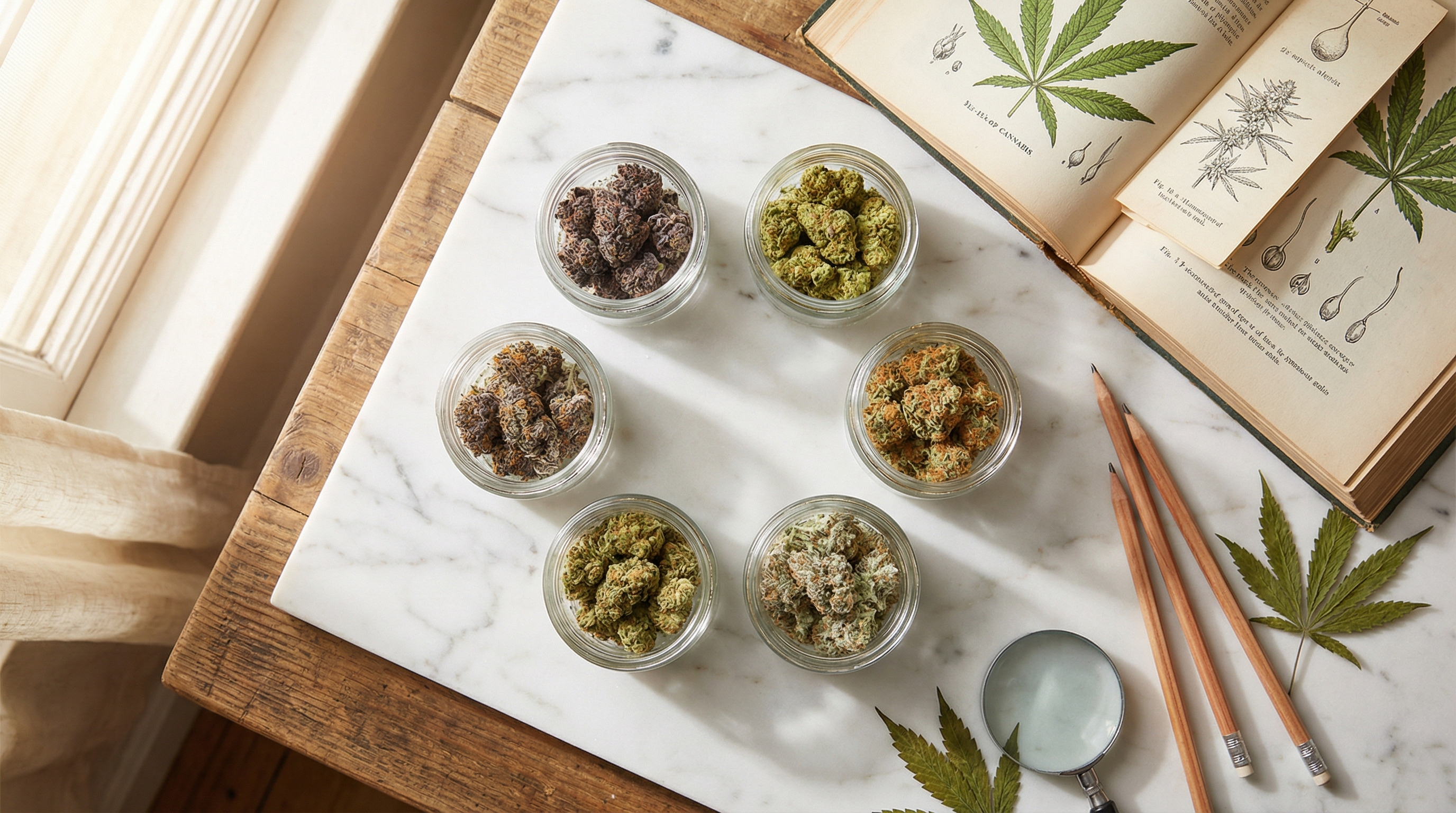
Terpenes are volatile aromatic compounds, which means they’re what you smell. Research and anecdotal evidence increasingly suggest that your nose is a better guide than the label. If a strain smells appealing to you—citrusy, piney, earthy, floral—that’s your body responding to the terpene profile.
This isn’t just folk wisdom. The concept of olfactory self-selection suggests that we may be naturally drawn to aromatic compounds that interact favorably with our individual neurochemistry. While this idea needs more formal study, budtenders and experienced consumers have long observed that “the nose knows.”
Think in Terpene Profiles, Not THC Numbers
Instead of asking “what’s the highest THC?”, try asking “what terpenes are dominant?” Here’s a quick guide to what the major terpenes may contribute:
| Terpene | Aroma | Potential Effects |
|---|---|---|
| Myrcene | Earthy, musky | Deep relaxation, sedation |
| Limonene | Citrus, lemon | Mood elevation, stress relief |
| Caryophyllene | Peppery, spicy | Physical comfort, anti-inflammatory properties |
| Linalool | Floral, lavender | Calming, anxiety relief |
| Terpinolene | Herbal, piney | Energizing, uplifting |
| Ocimene | Sweet, herbaceous | Stimulating, focused |
Use the High Families System
This is exactly why we developed the High Families classification at This Is Why I’m High. Instead of the outdated and scientifically dubious indica/sativa divide—or the misleading THC percentage race—High Families groups cannabis by terpene chemistry and the type of experience it produces.
Want mood elevation and social energy? Look at the Uplifting High family, driven by limonene and linalool. Need deep relaxation and sleep support? The Relaxing High family, anchored by myrcene and higher CBD content, is your lane. Seeking physical comfort? The Relieving High family, rich in caryophyllene and humulene, is where you should start.
This approach is grounded in the same terpene science we’ve been discussing. It’s not about one number—it’s about the full chemical fingerprint of the plant and how that fingerprint translates to your experience.
The shift in thinking: Instead of “I want the strongest cannabis,” ask yourself “What kind of experience do I want?”—then find the terpene profile and High Family that delivers it.
Practical Shopping Tips
Here’s how to put this into practice the next time you visit a dispensary:
- Start with your desired experience. Do you want to be creative and social? Relaxed and sleepy? Focused and productive? Physically comfortable?
- Identify the High Family that matches. Use our High Families guide as a reference.
- Ask about terpene profiles. Many dispensaries now include terpene data on labels. If not, ask your budtender—the good ones will know.
- Smell before you buy if the dispensary allows it. Your nose is genuinely one of your best tools.
- Keep a journal. Note the strain, its terpene profile, THC/CBD percentages, and how it made you feel. Over time, you’ll build a personal map of what works for you.
- Don’t pay a premium for THC. That 19% flower with a rich terpene profile may outperform the 32% flower that smells like nothing. Your wallet and your endocannabinoid system will thank you.
The Bigger Picture: Why This Matters for the Industry
The THC arms race isn’t just bad for consumers—it’s damaging the entire cannabis ecosystem. When the market rewards only one metric, cultivators stop breeding for flavor, complexity, and balanced cannabinoid ratios. Unique heritage strains with moderate THC but extraordinary terpene profiles get dropped from cultivation because they can’t compete on the only number consumers look at.
Some industry leaders are pushing back. Dispensaries in states like Massachusetts and Colorado have started featuring terpene-forward menus. Craft cultivators are marketing their flower based on the experience it delivers rather than a single potency number. And classification systems like High Families are giving consumers a vocabulary to describe what they actually want.
The more consumers demand better information—and stop defaulting to the highest THC on the shelf—the faster this shift will happen. You have more power than you think. Every time you choose a strain based on its terpene profile rather than its THC percentage, you’re voting for a smarter, more nuanced cannabis market.
Key Takeaways
- Higher THC does not mean a better or stronger high. Research shows that consumers experience similar intoxication levels whether using ~16% or ~24% THC flower [Bidwell et al., 2020].
- Terpenes and other cannabinoids shape your experience as much as—or more than—THC alone, through the entourage effect [Russo, 2011].
- Cannabis lab testing is inconsistent, and THC numbers on labels may be inflated or inaccurate [Jikomes & Zoorob, 2018].
- Your nose is a powerful tool. Terpenes are aromatic, and being drawn to a strain’s smell may indicate it’s a good match for your neurochemistry.
- Use the High Families system to choose cannabis by desired experience rather than a single misleading number.
FAQs
Does THC percentage matter at all?
It’s not meaningless—a 5% THC flower will produce a noticeably different experience than a 25% one. But within the range of most commercial cannabis (roughly 15-35%), the differences in intoxication are far smaller than the numbers suggest. Terpene profile, cannabinoid ratios, and your individual tolerance are likely more important factors.
Why do dispensaries still organize by THC percentage?
Mostly because consumer demand drives it. When most customers ask for the highest THC, dispensaries respond by highlighting that number. It’s a feedback loop. As consumer education improves and more people shop by experience rather than potency, expect menus to evolve.
Is indica vs. sativa a better way to choose than THC percentage?
Not really—it’s a different kind of oversimplification. The indica/sativa distinction is primarily a botanical classification about plant morphology, not a reliable predictor of effects. Terpene profiles and cannabinoid ratios are far better indicators. That’s why we use the High Families system, which is based on actual chemistry rather than plant shape.
How can I find out a strain’s terpene profile?
Many legal markets now require or encourage terpene testing on labels. Look for a section listing terpenes like myrcene, limonene, or caryophyllene with percentages. If the packaging doesn’t include this info, ask your budtender, check the cultivator’s website, or look up the strain on cannabis databases. Over time, you’ll start recognizing terpene profiles by smell alone.
Sources
- Bidwell, L.C., et al. (2020). “Association of Naturalistic Administration of Cannabis Flower and Concentrates with Intoxication and Impairment.” JAMA Psychiatry, 77(8), 787-796.
- Russo, E.B. (2011). “Taming THC: potential cannabis synergy and phytocannabinoid-terpenoid entourage effects.” British Journal of Pharmacology, 163(7), 1344-1364.
- Colizzi, M. & Bhattacharyya, S. (2020). “Cannabis use and the development of tolerance: a systematic review of human evidence.” Neuroscience & Biobehavioral Reviews, 118, 252-271.
- LaVigne, J.E., et al. (2021). “Cannabis sativa terpenes are cannabimimetic and selectively enhance cannabinoid activity.” Scientific Reports, 11, 8232.
- Jikomes, N. & Zoorob, M. (2018). “The Cannabinoid Content of Legal Cannabis in Washington State Varies Systematically Across Testing Facilities.” Scientific Reports, 8, 4519.
- Plumb, J., et al. (2022). “The Nose Knows: Aroma, but Not THC Mediates the Subjective Effects of Smoked and Vaporized Cannabis Flower.” Psychoactives, 1(2), 70-86.
- Isaacson, S.E., et al. (2025). “Beyond potency: A proposed lexicon for sensory differentiation of Cannabis sativa L. aroma.” PLOS ONE.
- Fischer, M., et al. (2025). “Classification of Cannabis Strains Based on their Chemical Fingerprint—A Broad Analysis of Chemovars in the German Market.” Cannabis and Cannabinoid Research.
- ScienceDaily. (2025). “How strong is your weed, really? Scientists say labels often mislead.” A Colorado study found that 44% of cannabis flower products had inaccurate THC labels.