
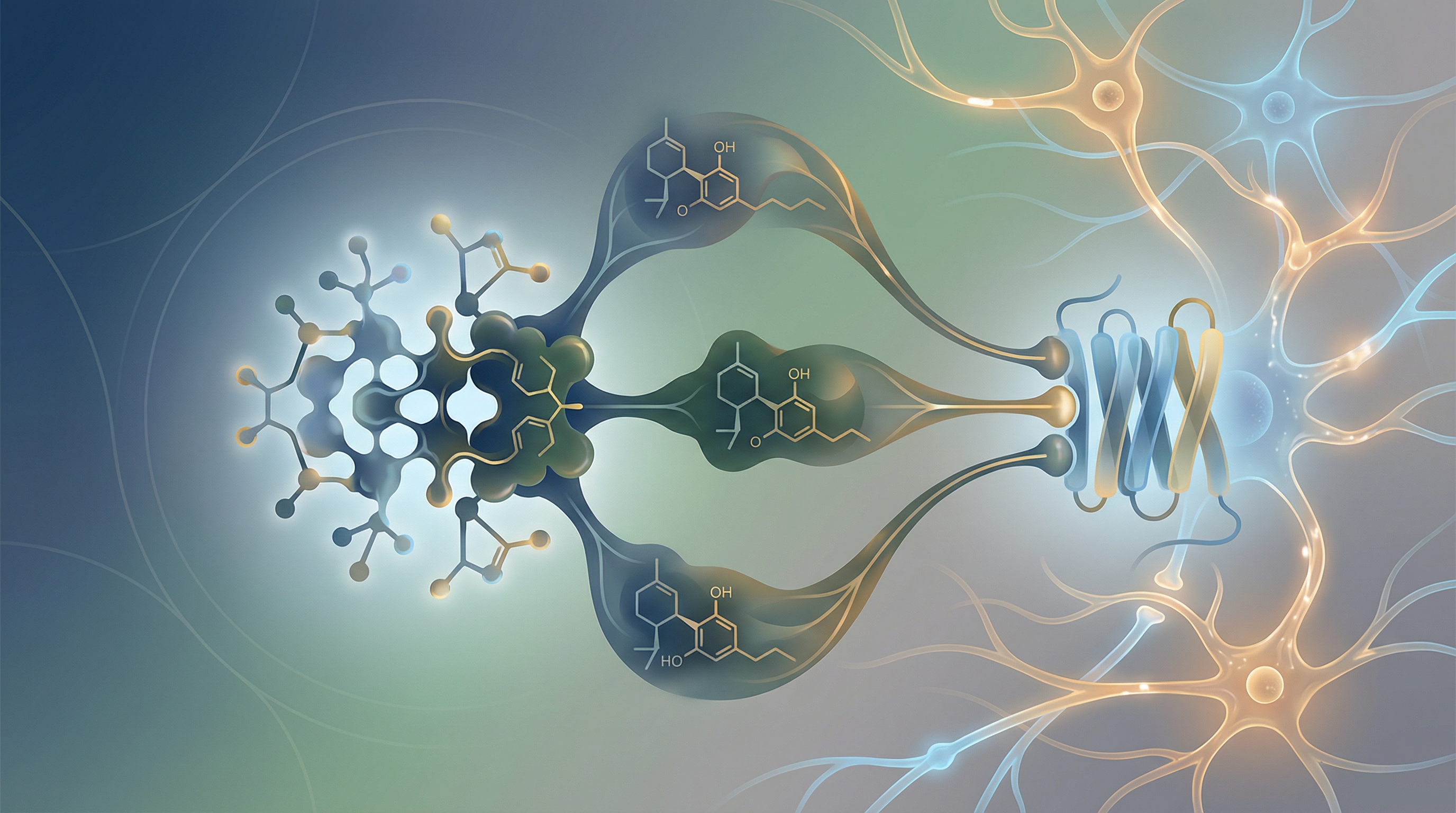
Resurrected Ancestral Cannabis Enzymes Unveil the Origin and Functional Evolution of Cannabinoid Synthases.
AI Summary
This research explores the evolutionary history of the enzymes that create the major cannabinoids found in cannabis plants—THC, CBD, and CBN precursors. Using a technique called ancestral sequence reconstruction, scientists essentially "resurrected" ancient versions of these enzymes to understand how they evolved. What they discovered is fascinating: early ancestral enzymes could actually produce all three main cannabinoids with relatively equal efficiency, but over time, through gene duplication and natural selection, these enzymes became highly specialized. Modern cannabis plants now have distinct enzymes optimized to produce either THC or CBD, which explains why different cannabis strains have such dramatically different chemical profiles.
The researchers took this understanding even further by creating hybrid enzymes that combined features of ancient and modern versions. By comparing these engineered enzymes, they identified specific amino acid changes that determined whether an enzyme specializes in THC or CBD production. This is significant because it reveals the molecular "switches" that control cannabinoid chemistry. Beyond the scientific curiosity, these ancient and hybrid enzymes proved easier to manufacture in laboratory settings than the modern plant enzymes, which has immediate practical applications.
The implications of this work are substantial for multiple sectors. For cannabis breeders and producers, understanding these evolutionary mechanisms could enable more precise control over cannabinoid ratios in cultivated plants. For biotechnology companies, the ancestral and engineered enzymes offer better starting materials for producing cannabinoids in bioreactors without growing plants. This could democratize cannabinoid production and potentially lower costs. For the medical and cannabis industries, this research provides a scientific foundation for developing new strains or production methods optimized for specific therapeutic applications, whether that's high-THC, high-CBD, or balanced products.
💡 Key Findings
📄
Original Abstract
Related Research
Similar Studies
More THC research papers you might find interesting.

Cannabis produces acute hyperphagia in humans and rodents via increased reward valuation for, and motivation to, acquire food.

How tax structures for retail cannabis shape cannabis use among youth and young adults: evidence from a volumetric choice experiment.

Effects of ketamine enantiomers on morphine and THC subjective effects in rats.
Explore More Research
Stay informed about the latest cannabis science.
Track your cannabis journey with AI
Get personalized strain recommendations based on your preferences