

Cannabis produces acute hyperphagia in humans and rodents via increased reward valuation for, and motivation to, acquire food.
AI Summary
This study investigated why cannabis use is commonly associated with increased appetite and food consumption—a phenomenon many users call "the munchies." Researchers gave either cannabis vapor or a placebo to human participants and rats, then measured how much they ate and what types of food they chose. The key finding was that cannabis rapidly increased how much people and animals ate within the first 30-60 minutes of having access to food, regardless of the dose, biological sex, or the type of food available.
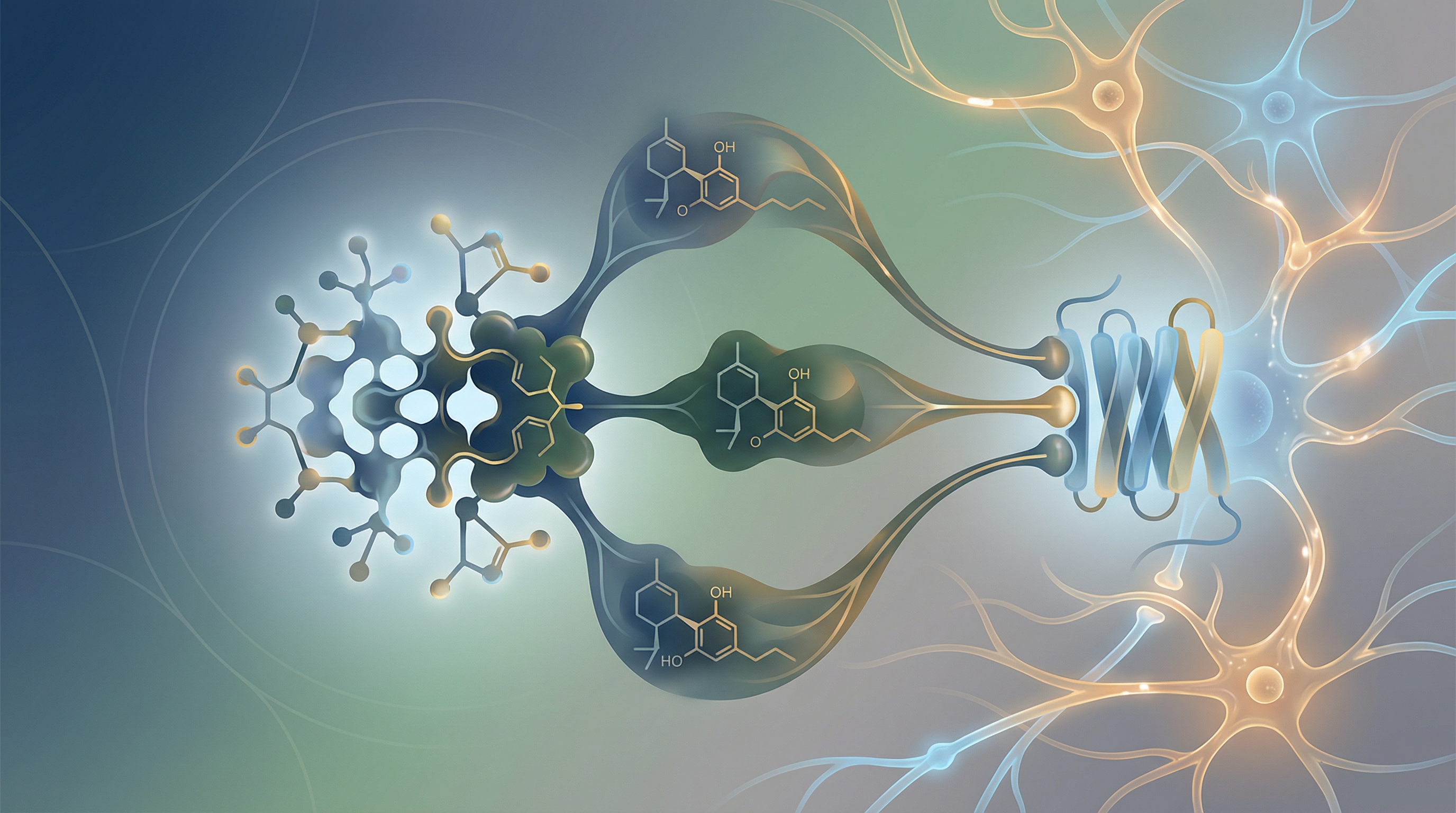
The researchers discovered that cannabis doesn't simply make people hungrier through hormonal changes in the stomach or blood. Instead, it works in the brain by affecting a specific receptor called CB1R (cannabinoid 1 receptor), which essentially changes how the brain values food rewards and increases the motivation to eat. Importantly, cannabis didn't change which types of foods people preferred—it just made them want to eat more of whatever was available. The effects were so strong that in rats, cannabis even eliminated their normal preference for certain nutrients they typically choose when hungry, suggesting that the drug overrides the brain's natural appetite control mechanisms.
This research has practical implications for cannabis users who may experience unwanted weight gain or changes in eating patterns, as well as potential medical applications for patients with appetite loss due to illness or medication. The findings suggest that the appetite-stimulating effects of cannabis work through central brain mechanisms rather than the stomach or digestive system, which could guide future therapeutic strategies for either enhancing appetite in medical patients or managing it in recreational users.
💡 Key Findings
📄
Original Abstract
Related Research
Similar Studies
More THC research papers you might find interesting.

How tax structures for retail cannabis shape cannabis use among youth and young adults: evidence from a volumetric choice experiment.

Effects of ketamine enantiomers on morphine and THC subjective effects in rats.
Resurrected Ancestral Cannabis Enzymes Unveil the Origin and Functional Evolution of Cannabinoid Synthases.
Explore More Research
Stay informed about the latest cannabis science.
Track your cannabis journey with AI
Get personalized strain recommendations based on your preferences